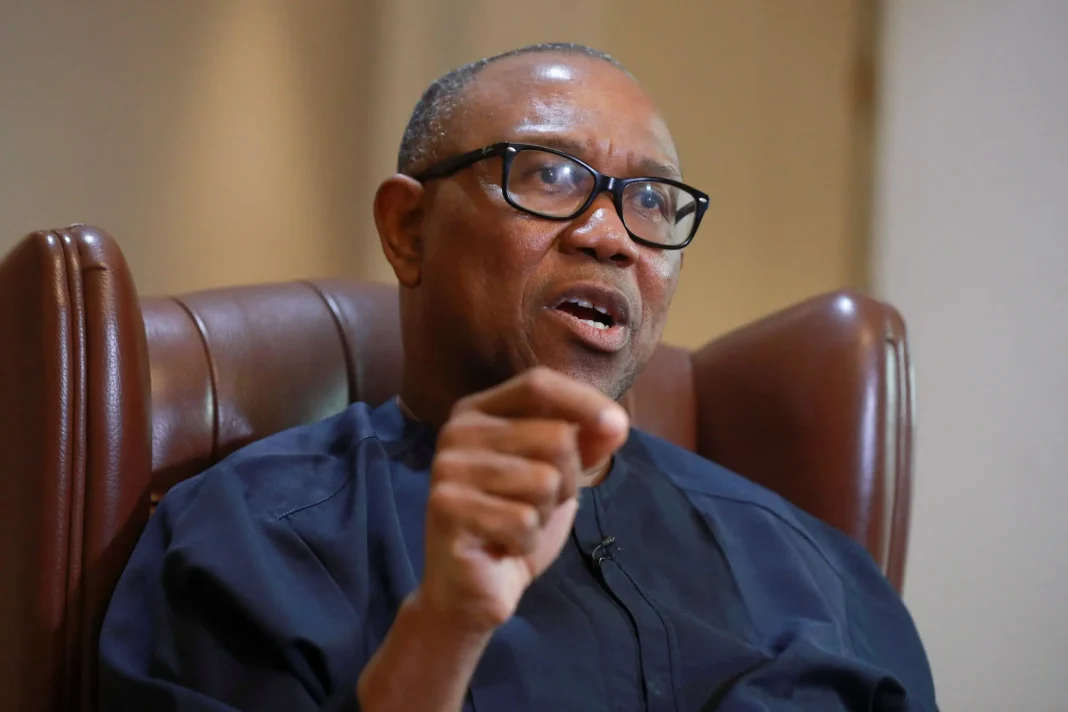

The Managing Director/Chief Executive Officer (MD/CEO) of the Transmission Company of Nigeria (TCN), Engr. Sule Ahmed Abdulaziz has made it clear that the TCN is not the primary constraint in Nigeria’s electricity sector.
Engr Abdulaziz made the clarification at the on-going four-day Parliamentary/Stakeholders’ engagement summit on power sector reforms in Nigeria.
The Summit which began on Monday in Lagos was the initiative of the House of Representatives Ad-Hoc Committee probing the Power Sector reforms and expenditure between 2007 and 2024.
Said Abdulaziz: “I wish to address a common misconception: that transmission is the primary constraint in Nigeria’s electricity sector. The facts tell a different story.
“According to NERC’s February 2026 Operational Factsheet, Nigeria’s installed generation capacity is 13,625MW. However, the highest power ever generated and delivered to the national grid was 5,801.84MW, recorded on 4th March 2025.
“On the same day, TCN also achieved a record daily energy delivery of 128,370.75MWh. Meanwhile, TCN’s transmission wheeling capacity stands at 8,700MW.
“The implication is clear: the national grid can currently transmit significantly more power than has ever been generated and supplied to it.
“TCN has consistently wheeled all available generation, demonstrating that the transmission network is ready to support higher levels of electricity delivery,” Engr Abdulaziz said.
The TCN MD/CEO also stated that the Company has made a lot strides in its efforts to improve the electricity sector in the country adding that the TCN welcomed the intervention by the legislators.
According to him: “Over the past few years, TCN has expanded the nation’s bulk wheeling capacity from about 7,000MW to 8,700MW, adding 1,700MW of transmission capability through strategic investments supported by the Federal Government and development partners.
“On March 4, 2025, the national grid achieved a historic peak transmission record of 5,801.84MW and a record daily energy delivery of 128,370.75 MWh—the highest ever recorded in Nigeria’s electricity industry.”
These milestones, the MD said underscore the growing strength and reliability of the transmission network.
“Between January 2024 and November 2025, TCN commissioned 82No. transformers, adding approximately 8,500MVA of transformation capacity nationwide, while also delivering key substations and transmission line projects that have improved grid reliability, redundancy, and operational flexibility across all geopolitical zones.
“TCN has also mobilized over US$1.4 billion in development financing from the World Bank, AfDB, JICA, and AFD to support transmission expansion and modernization projects nationwide.
“In parallel, the company is advancing grid digitalization through the implementation of a nationwide SCADA system, which will provide real-time network visibility, faster fault management, improved dispatch efficiency, and the foundation for future smart-grid operations”, Abdulaziz further disclosed.
These achievements, he went on, demonstrate TCN’s commitment to strengthening Nigeria’s transmission infrastructure, enhancing grid reliability, and positioning the sector to support future growth in electricity generation and delivery.
He listed a number of challenges facing the electricity sector in Nigeria insisting that the problems needed coordinated national response.
“First, vandalism and sabotage of transmission infrastructure continue to disrupt power supply, increase repair costs, and undermine investments in the sector. Protecting electricity infrastructure requires stronger security measures, community cooperation, and stricter legal deterrents.
“Second, persistent encroachment on transmission Rights-of-Way creates safety risks, hinders maintenance activities, and constrains future network expansion. This calls for coordinated action among federal, state, and local authorities, supported by a stronger legal framework.
“Third, expanding the grid to support Nigeria’s long-term electricity needs requires substantial capital investment. While TCN has several critical projects ready for implementation, financing constraints, foreign exchange pressures, and counterpart funding requirements continue to affect project timelines.
“Fourth, unlocking Nigeria’s full generation potential requires coordinated investments across the entire value chain. While TCN has expanded transmission capacity to 8,700MW, increased generation dispatch, adequate energy supply to power plants, and stronger distribution networks remain essential to delivering more electricity to consumers.
“Fifth, the long-term sustainability of the sector depends on a financially viable electricity market, supported by cost-reflective tariffs, improved revenue collection, stronger payment discipline, and a stable regulatory environment that encourages investment.
“Finally, land acquisition and community engagement challenges continue to affect the timely delivery of transmission projects.”
According to the MD, streamlined processes, fair compensation mechanisms, and structured stakeholder engagement would significantly accelerate infrastructure development.
“These challenges”, he went on, “are sector-wide and require coordinated action by government, regulators, security agencies, market participants, communities, and development partners”, assuring that TCN remains committed to playing its part in building a stronger, more reliable, and more resilient electricity sector for Nigeria.
The TCN MD/CEO who was represented by GM Transmission Services Engr. Ali Sharifai, assured that the TCN fully supports the implementation of the Electricity Act 2023 and all government initiatives aimed at improving electricity supply.
“As a committed partner in sector transformation, TCN brings over US$1.4 billion in active development financing, a workforce of more than 5,000 professionals, and over five decades of operational experience in managing Nigeria’s national grid” adding that: “the challenges facing the Nigerian Electricity Supply Industry are resolvable through coordinated legislative and executive action.